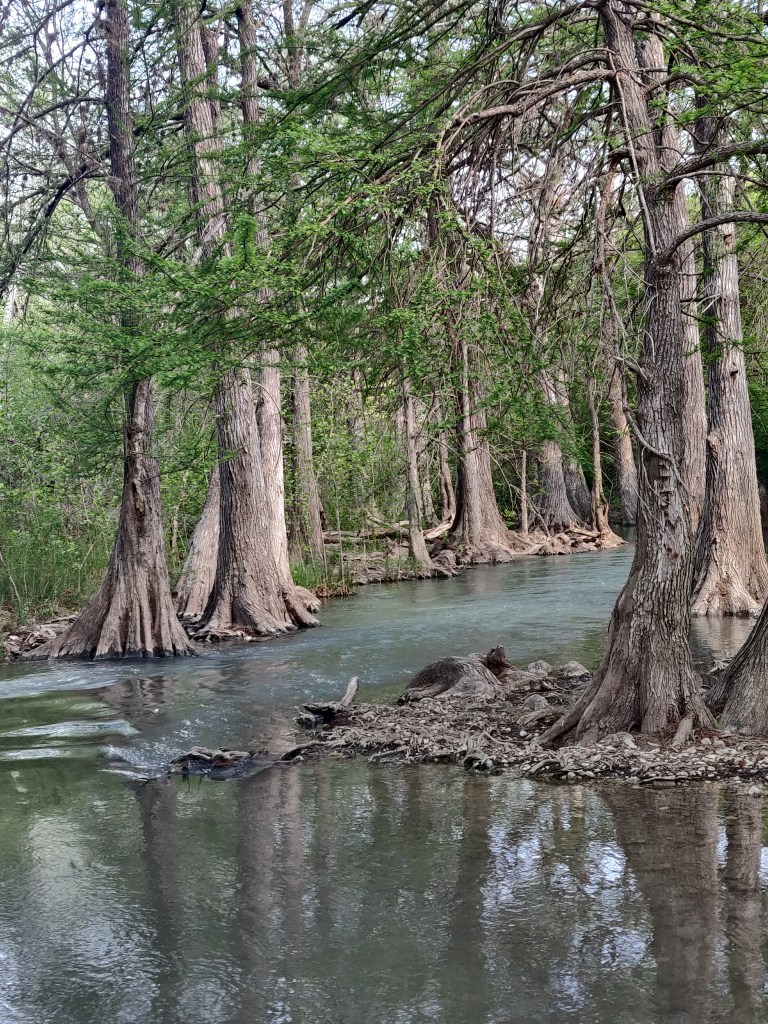
In March of 1991, Ron Pucek drilled a water well for a Catfish farm that could produce vast quantities of water. This Bexar County Texas well has an interesting history of its own. A few years later in 1993, the Texas Legislature created the Edwards Aquifer Authority (EAA). Right now in July of 2022, there is a drought and temperatures are pushing past 100 degrees Fahrenheit daily. Those three significant events are not what this story is about.
The history of Alsatians and water started before Texas statehood in 1845. Henri Castro brought the immigrants to San Antonio and then finally to Castroville, a long journey from Alcase. This occurred as early as 1840. The Medina river was comforting and reminded them of the Rhine from their European homeland. Flowing water surrounded by fertile land just waiting to be cleared and farmed. It was the dream they were promised.
But to achieve this dream, there was the everyday challenge of survival from heat, cold, indians, mexicans, snakes, and every last thorny bush and insect. The simple next steps for farming included water, landclearing, and all the labor to cultivate, plant, nurture and harvest. The brush for a future crop with downhill from a water source – the combinations had to be correct. Imagine how daunting it must have felt when all you have is a shovel. A single acre is huge forming a square that is 208+ feet on each side. Next time you see a college football game the field is 1.32 Acres. Imagine preparing the rows needed to plant the field in corn.
The political promise was Freedom, Land, and to most any question posed to Castro or any Texas official was, YES! Yes, please immigrate, Yes, the land is free conditionally, Yes… The reality however was immensely difficult.
The shovel, oxen, and hard work. No water pumps, no electricity, no labor sources. From a technology standpoint it would take until 1895 for Rudolf Deisel to invent the engine that would power all modern farming to this day. Rudolf was born in France in 1858. Technology would make a huge leap forward during the Industrial Revolution, but it was decades in the future from 1840. Air Conditioning was first installed by Carrier in 1902 for industrial purposes.
The odds of success were low. Survive and thrive for three years in order to homestead 160 Acres. It did come with some other requirements such as building a cabin, and farming acreage. Regardless of the obstacles and requirements, the Alsatians loved the opportunity as they came with more than a shovel and some dishes even though nothing really fundamental helpful appeared on the horizon that could help, except….
They had knowledge of springs and tributaries that would end up in the Medina. They surveyed land by-eye and by walking the low areas. Observations of large trees, green grass patches, and other signs pointed the way. Once they found promising springs they staked their homestead accordingly. Those that came early got the land next to the Medina, others had to find it elsewhere in this manner.
They were all looking for a source of surface water that could be re-routed to rows where they could grow the most basic of crops. Basic survival staples. A larger than average garden and extra grain from corn and wheat. Cotton that could be spun into useful rope and basic clothing. It was “not nothing”, it was the stepping stone technology.
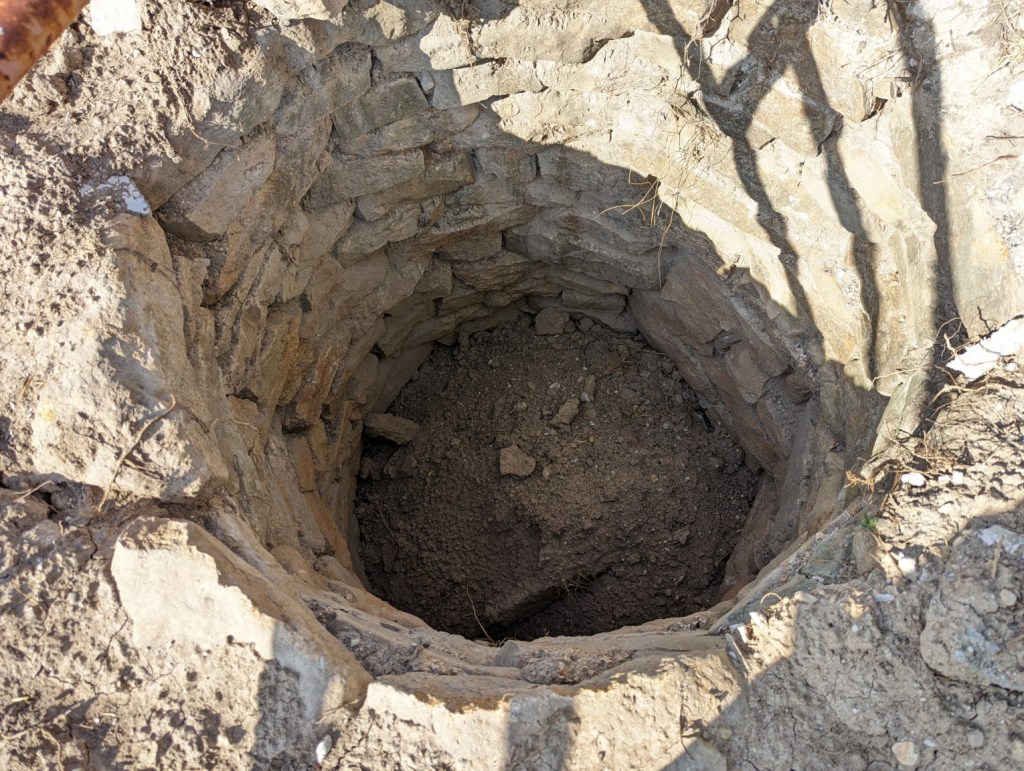
These sources, or as an Alsatian would say “Die Quelle” (The Source) allowed perienneil springs to run down hand dug gravity fed ditches to irrigate their first rows of crops. This gave them a valuable season of time to make the more difficult waterworks such as a cistern or stone-lined well.
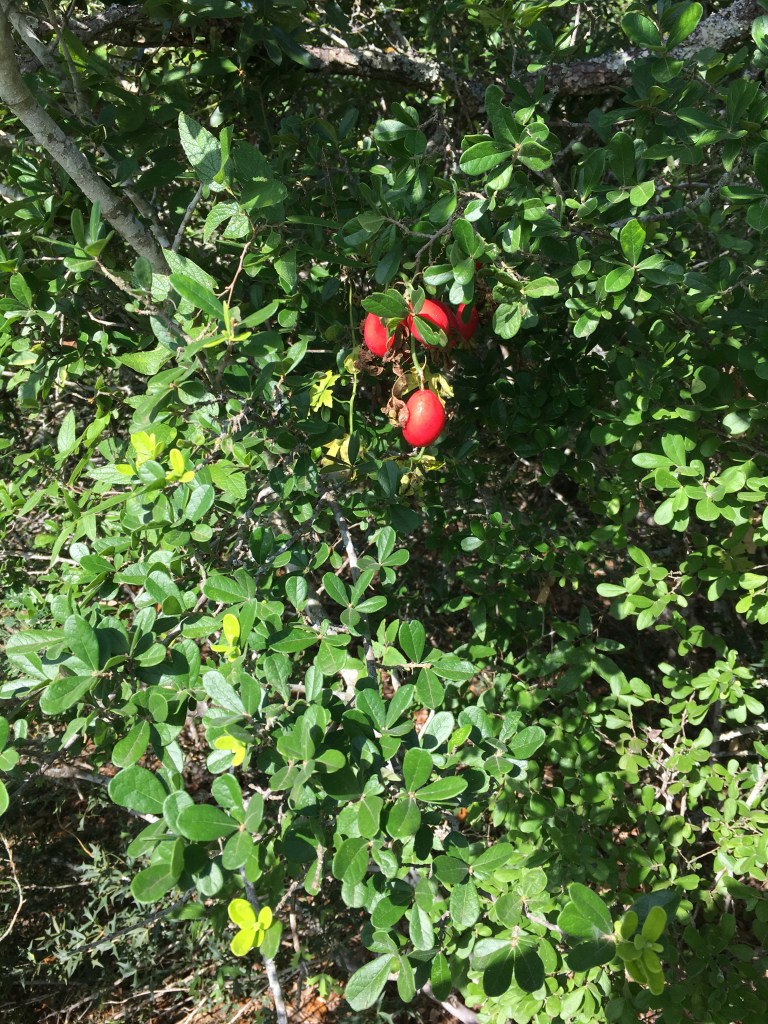
The land did have redeeming natural qualities. Native Oaks and Cypress trees for construction, Caliche and Limestone outcrops for building materials, native Ornamental Persimmons and Mustang Grapes, plus Deer and wild boar.
Today’s problems are still related to water, land use, and the methods we use to obtain food and shelter. The prime mover has shifted from an individual doing hard work to governments using high tech machines of all types. Conservation, efficiency, and that next technology are all quietly in use and will be pressed hard to make the next future happen. The Alsatians settled a hostile land and their determination deserves much credit. Get back to basics, turn off the news, grow a garden instead of grass, thank your local farmer and pray for rain!
 ALSATIAN Homestead